Making investment decisions has become more challenging than ever. With thousands of listed companies, rapidly changing market conditions, and an abundance of financial information available online, investors often struggle to identify the right opportunities. Acting on market rumours or emotional decisions can increase investment risk and affect long-term financial goals.
This is where a Registered Investment Advisory can make a meaningful difference. Instead of offering generic investment tips, professional advisors develop personalised investment strategies based on an investor's financial objectives, risk appetite, and investment horizon.
Whether you are beginning your investment journey or managing an established portfolio, working with a qualified advisor provides access to research-driven recommendations, disciplined portfolio management, and continuous investment support. This article explores the major benefits of partnering with a Registered Investment Advisory and explains why professional guidance has become increasingly valuable in today's dynamic financial markets.
Table of Contents
- What Is a Registered Investment Advisory?
- Why Do Investors Choose Professional Advisory Services?
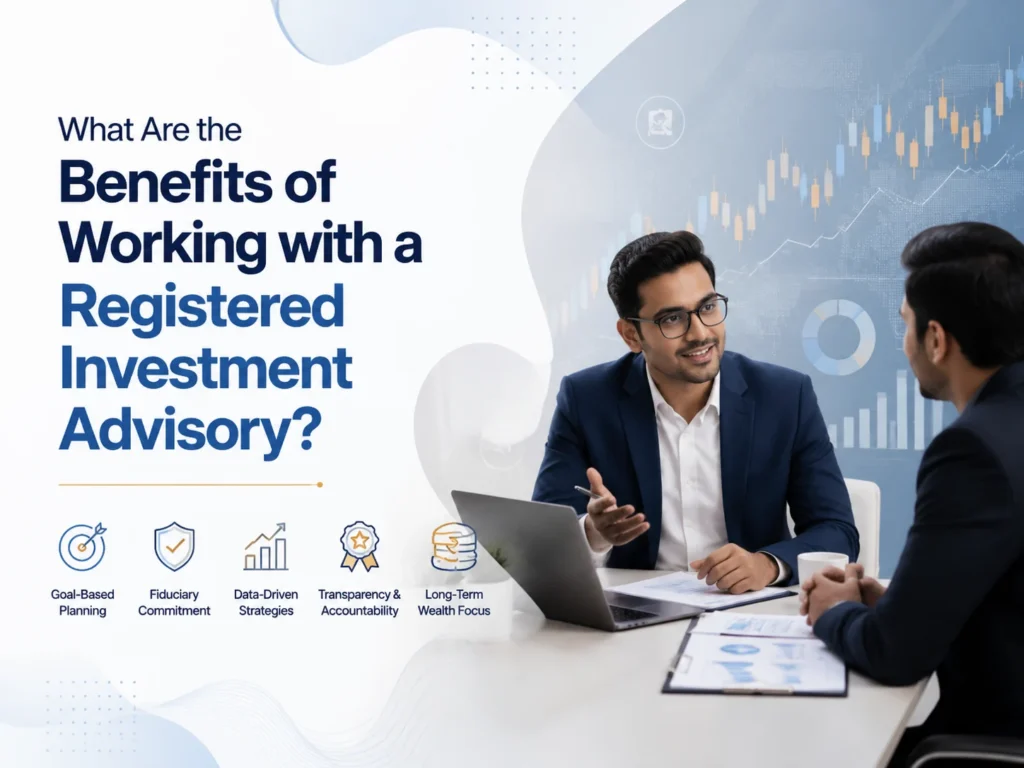
- Top Benefits of Working with a Registered Investment Advisory
- How Advisory Services Improve Investment Decisions
- Who Can Benefit from Professional Investment Guidance?
- Comparison Table
- Key Takeaways
- Frequently Asked Questions
- Conclusion
1. What Is a Registered Investment Advisory?
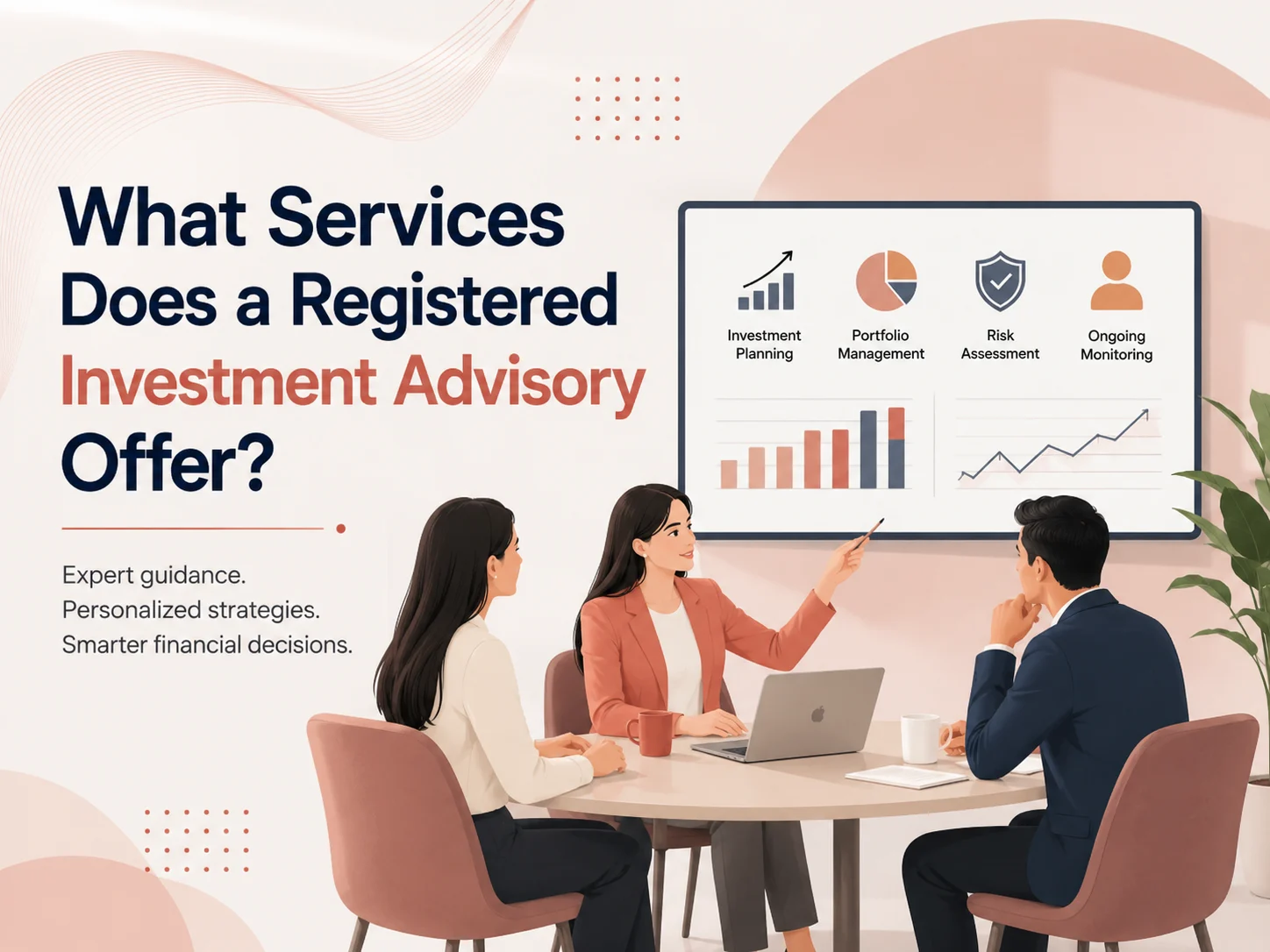
A Registered Investment Advisory provides professional investment guidance based on detailed research, financial planning, portfolio analysis, and an investor's personal financial goals. Unlike general market opinions, advisory recommendations are designed after understanding the investor's risk profile, investment horizon, and wealth creation objectives.
A reliable advisory service combines market research, company analysis, valuation studies, and portfolio monitoring to help investors make informed financial decisions rather than emotional ones.
Many investors also choose professional Stock Advisory services to receive structured recommendations supported by disciplined research instead of relying on unverified market tips.
2. Why Do Investors Choose Professional Advisory Services?
Investing successfully requires more than selecting individual stocks. Investors must understand business fundamentals, industry trends, valuations, risk management, and portfolio diversification.
Professional advisors simplify this process by conducting continuous research and monitoring investments on behalf of their clients. This allows investors to focus on their careers or businesses while still following a disciplined investment strategy.
Instead of reacting to short-term market fluctuations, advisors encourage clients to stay focused on long-term financial goals.
3. Top Benefits of Working with a Registered Investment Advisory
Personalised Investment Planning
Every investor has unique financial goals. Some aim to build retirement wealth, while others invest for children's education, business expansion, or financial independence. Professional advisors create customised investment strategies instead of offering one-size-fits-all recommendations.
Research-Based Recommendations
Professional advisory firms evaluate company fundamentals, financial statements, management quality, industry outlook, valuations, and future growth opportunities before recommending investments.
Investors searching for quality Stocks to Buy Now benefit from recommendations supported by structured research rather than speculation.
Better Risk Management
One of the biggest advantages of working with an advisor is effective risk management. Advisors recommend diversified portfolios that reduce concentration risk while aligning investments with the investor's financial profile.
Managing risk is just as important as generating returns because protecting capital helps investors achieve long-term financial stability.
Objective Investment Decisions
Emotions often influence investment decisions during market rallies and corrections. Professional advisors help investors remain disciplined by focusing on long-term business fundamentals instead of short-term market sentiment.
4. How Advisory Services Improve Investment Decisions
Continuous Portfolio Monitoring
Markets constantly evolve due to economic developments, corporate earnings, policy changes, and global events. Professional advisors regularly review portfolios and recommend adjustments whenever necessary.
Goal-Based Investing
Rather than recommending random investments, advisors align portfolio decisions with specific financial objectives such as retirement planning, wealth creation, higher education funding, or capital preservation.
Identifying Long-Term Opportunities
Successful investing requires patience. Instead of chasing temporary market momentum, advisors focus on identifying fundamentally strong Best Stocks for Long Term capable of creating sustainable shareholder value over multiple market cycles.
This disciplined investment approach often produces better long-term outcomes than frequent buying and selling based on market emotions.
5. Who Can Benefit from Professional Investment Guidance?
Professional investment advisory is suitable for investors across different experience levels and financial backgrounds. Whether someone is investing for the first time or managing a large portfolio, structured guidance helps improve investment discipline and decision-making.
Beginners
New investors often find it difficult to evaluate companies, understand market cycles, or build diversified portfolios. Professional guidance simplifies the investment process and helps avoid common beginner mistakes.
Working Professionals
Professionals with limited time may not be able to analyse markets regularly. An advisor continuously tracks investment opportunities and portfolio performance while keeping recommendations aligned with long-term financial goals.
Business Owners
Business owners usually require investment strategies that complement their business income while balancing liquidity, capital growth, and risk management.
High-Net-Worth Individuals (HNIs)
HNIs often require customised investment strategies, portfolio diversification, tax-efficient planning, and periodic portfolio reviews to preserve and grow wealth over the long term.
6. Registered Investment Advisory vs Self-Investing
| Parameter | Registered Investment Advisory | Self-Investing |
| Research | Professional research and company analysis | Individual responsibility |
| Portfolio Planning | Goal-based investment strategy | Depends on investor knowledge |
| Risk Management | Structured diversification and asset allocation | May be inconsistent |
| Portfolio Reviews | Regular monitoring and rebalancing | Depends on investor availability |
| Decision Making | Research-driven and disciplined | Can become emotional |
| Suitable For | Investors seeking professional guidance | Experienced self-managed investors |
7. Why Long-Term Advisory Creates Better Investment Outcomes
Successful investing is rarely about finding the next trending stock. Instead, it involves following a disciplined investment process, reviewing portfolios regularly, and making decisions based on changing financial circumstances rather than market emotions.
Professional advisors continuously evaluate business fundamentals, earnings quality, industry developments, and valuations before recommending investment opportunities.
Some businesses eventually grow into successful Multibagger Stocks, but identifying them requires detailed research, patience, and long-term conviction instead of speculation.
Working with an experienced advisor helps investors remain disciplined during both bull and bear markets, reducing the likelihood of emotionally driven investment decisions.
8. Choosing the Right Registered Investment Advisory
Selecting the right advisor requires more than comparing fees. Investors should evaluate research capabilities, investment philosophy, transparency, regulatory compliance, communication standards, and client service quality.
Choosing a qualified Investment Advisory partner ensures that investment recommendations are supported by research, structured portfolio management, and long-term financial planning.
Before making a decision, investors should also understand the qualities associated with a Top 10 SEBI-registered stock advisory company, including transparency, disciplined research, ethical practices, and investor-focused advice.
Key Takeaways
- A Registered Investment Advisory provides personalised investment strategies based on individual financial goals.
- Professional research helps investors make informed decisions instead of relying on market rumours.
- Portfolio diversification and disciplined investing help reduce unnecessary investment risks.
- Regular portfolio monitoring ensures investments remain aligned with changing market conditions.
- Long-term wealth creation depends on consistency, research, and financial discipline.
- Professional advisory services support investors across every stage of their financial journey.
- Always choose a transparent and SEBI-compliant advisory partner.
Frequently Asked Questions (FAQs)
1. What is a Registered Investment Advisory?
A Registered Investment Advisory provides professional investment guidance based on financial research, portfolio analysis, and an investor's financial goals while following applicable regulatory standards.
2. Why should I work with a Registered Investment Advisory?
Professional advisors help investors make informed decisions through research-based recommendations, portfolio diversification, risk management, and continuous portfolio reviews.
3. Can a Registered Investment Advisory guarantee returns?
No. Investment advisors cannot guarantee returns because market performance depends on economic conditions, company performance, and market movements.
4. Who should consider professional investment advisory services?
Beginners, salaried professionals, business owners, HNIs, and long-term investors can all benefit from personalised investment guidance.
5. How often should my investment portfolio be reviewed?
Portfolios should be reviewed periodically or whenever there are significant changes in financial goals, market conditions, or company fundamentals.
6. How does diversification reduce investment risk?
Diversification spreads investments across different companies, industries, and asset classes, reducing the impact of poor performance from any single investment.
7. What should I check before selecting an investment advisor?
Verify SEBI registration, understand the advisory process, review research capabilities, fee transparency, communication quality, and overall investment philosophy.
8. Is professional investment advice suitable for long-term investing?
Yes. Professional advisory helps investors remain disciplined, identify quality businesses, and stay focused on achieving long-term financial goals.
Conclusion
Working with a Registered Investment Advisory offers far more than stock recommendations. It provides structured financial planning, research-driven investment decisions, disciplined portfolio management, and continuous support throughout your investment journey.
By aligning investments with your financial goals and risk tolerance, professional advisory services help reduce emotional decision-making and improve the potential for sustainable long-term wealth creation.
Start Your Wealth Creation Journey with PA Wealth
Successful investing begins with informed decisions backed by research and discipline. PA Wealth helps investors build diversified portfolios through personalised strategies, professional research, and continuous investment support.
Explore our Registered Investment Advisory services and take a confident step towards achieving your long-term financial goals.
Disclaimer
This article is for educational and informational purposes only and should not be construed as investment advice or a recommendation to buy or sell any securities. Investments in the securities market are subject to market risks. Past performance is not indicative of future results. No assurance or guarantee of returns is provided. Readers should consult a qualified financial advisor before making any investment decisions.